
Key Takeaways:
- Identify the importance of adapting to seasonal fashion trends for personal style.
- Explore strategies to incorporate the latest trends into everyday casual wear.
- Examine how seasonal changes influence fashion industry practices and consumer choices.
The cyclical nature of seasons brings a fresh wave of styles and trends in the fashion industry. Embracing these changes can be an exhilarating way for individuals to express their personalities while aligning with the tempo of the season’s change.
Understanding Seasonal Trend Shifts in Fashion
Just as the leaves change their hues with the advent of autumn, so do the colors, textures, and silhouettes in the fashion panorama shift to mirror these changes. Each changing season allows designers to forecast, innovate, and deliver apparel that resonates with the times. The industry thrives on this dynamism, with designers leaning on a blend of intuition, consumer behavior, and global influences to cultivate their collections. From the awakening of florals in spring to the rich, warm tones of fall, each season’s trends provide a narrative of the time, often reflecting broader social trends and collective moods. Leading brands in casual wear like PacSun offer several choices that echo the spirit of trendiness and informality.
Incorporating New Trends into Your Wardrobe
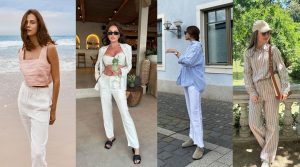
Translating high fashion into everyday practicality may seem daunting for many. Nevertheless, by selectively integrating a few trend-driven pieces with one’s staple attire, anyone can revitalize their wardrobe without undergoing a complete overhaul. It’s about choosing adaptable pieces that add a touch of contemporaneity. The key is identifying which trends align with personal style and converting them into wearable ensembles.
Making Sustainable Fashion Choices
As consumers become increasingly eco-conscious, the pull towards sustainable fashion intensifies. It’s not solely about the latest cut or the next ‘it’ pattern; it’s also about the fabric’s footprint, the labor conditions under which clothing is made, and the life cycle of our garments. Building a greener wardrobe requires actively pursuing knowledge about materials and processes and a commitment to supporting brands with transparent and ethical practices. Reducing fashion’s environmental impact can also mean caring for and repurposing clothes to extend their life or contributing to the growing circular fashion movement.
The Role of Influencers in Shaping Trends
In today’s culture, digital platforms have enabled influencers to emerge as significant arbiters of taste and style. With their approachable personas and niche followings, influencers often serve as the intermediate voice between high designers and the everyday person. Their engagements with fashion translate to a subtle yet effective diffusion of trends into mainstream consciousness. They have become an integral part of the fashion ecosystem, often influencing the pace and direction of style changes within the market.
Finding the Perfect Balance Between Comfort and Style
Finding harmony between comfort and style in our daily wear is an art. As more people embrace the remote work lifestyle and the boundaries between casual and formal attire blur, there’s a noticeable gravitation towards clothing that promises both comfort and sartorial precision. For example, versatile layers that can effortlessly transition from a home office to a café meeting or footwear that combines ergonomic support with sleek design are wardrobe staples that meet modern demands for functionality and aesthetics.
Economical Ways to Stay Trendy
Being fashionable doesn’t have to mean splurging on clothes with each changing trend. There’s wisdom in adopting strategic shopping practices like making the most of discounts, exploring the versatility of thrift stores, and even swapping clothes with friends. Setting a wardrobe budget and differentiating between fads and potential classics is essential for savvy shoppers. These approaches keep your fashion up-to-date and echo the sentiments of cost-effectiveness and sustainability.
Forecasting the Future: Upcoming Seasonal Trends
The realm of fashion is always forward-moving, making it vital for those passionate about style to stay ahead of the curve. By analyzing runway shows, fashion weeks, and industry publications, style enthusiasts can predict upcoming trends and plan their seasonal wardrobe updates. Premier resources offer invaluable insights into next season’s potential hits, allowing consumers to decide what pieces to add to their wardrobes to remain at the vanguard of style.
The Importance of Color in Seasonal Fashion
Color is a powerful tool in the hand of the stylist, capable of conveying an array of emotions and sentiments. Seasonally, color trends often evoke the essence of the season, be it through the pastel tranquility of spring or the fiery vibrance of summer. By understanding the color palette that each season tends to favor, one can craft an appropriate aesthetic for the time of year and experiment with shades outside one’s comfort zone, adding a fresh dynamic to one’s wardrobe.
How Weather Influences Fashion Choices
Climatic conditions largely govern the practicability of fashion choices. Fabric weight, layering options, and protective features are paramount during seasonal transitions. It is not solely about dressing for aesthetic effect; it is equally about accommodating the whims of weather. After all, the primary purpose of our clothing is to provide comfort and protection against the elements while allowing us to express our styles.
Adapting Fashion Trends for Various Climates
The global diversity of climates necessitates a nuanced approach to seasonal fashion. For example, winter in the sunbaked deserts will starkly differ from winter experienced in the frost-bitten tundra. Adapting trends to fit local climates emphasizes personalization and practicality within fashion, championing the individual’s needs above the general momentum of global trends. It shows the importance of maintaining an inclusive perspective in fashion discourse, ensuring every person can find joy and expression through their clothing, regardless of their weather.